

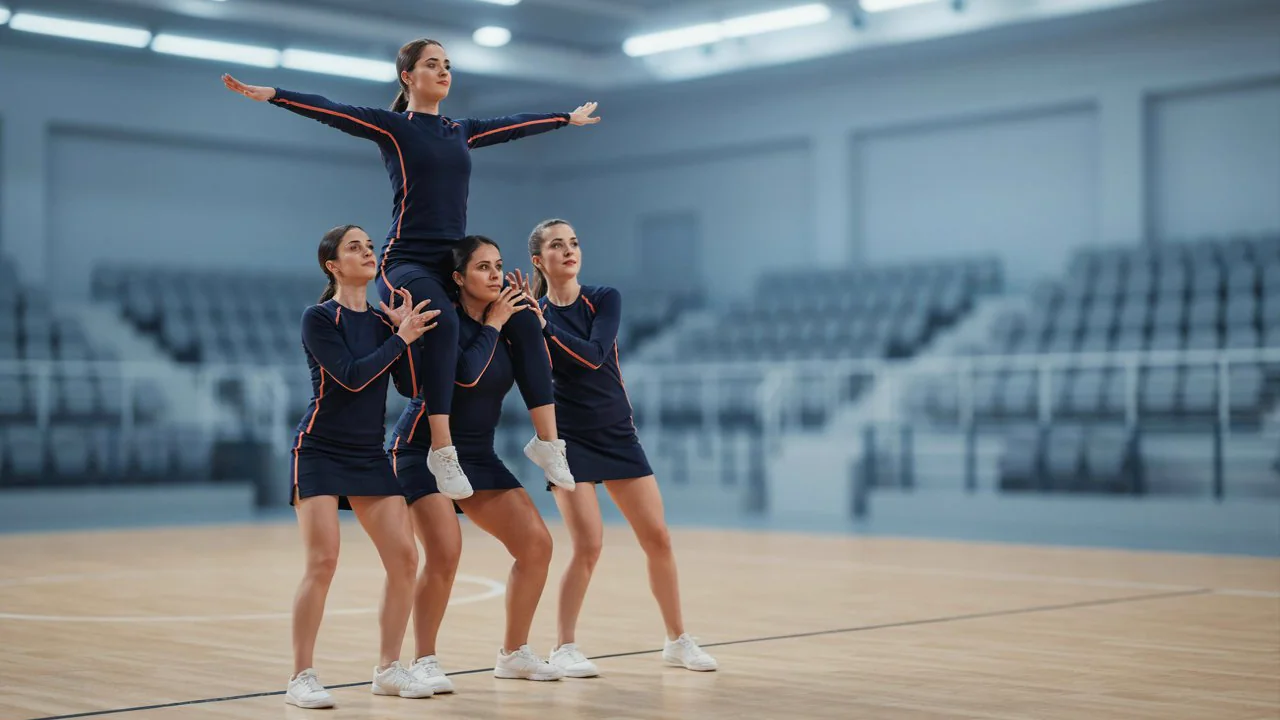
Trying out for the Auburn University cheerleading program is a serious goal for athletes who want to represent the Tigers on game day, at campus events, and in front of passionate college sports fans. This guide explains what to expect, how to prepare, and which skills usually matter most before you submit materials or attend an in-person evaluation.
Auburn Cheer Requirements: What You Need to Know
If you’re preparing for Auburn cheer tryouts, understanding the specific auburn cheer requirements is essential. Auburn University’s cheerleading program, based in Auburn, AL, expects candidates to demonstrate strong skills in tumbling, stunting, motions, and jumps. Below is a detailed breakdown of everything you need to know before attending tryouts.
Auburn Cheer Tumbling Requirements
- Standing tumbling: Standing back handspring is the minimum; standing tuck preferred
- Running tumbling: Round-off back handspring back tuck minimum; layout or full preferred
- Specialty passes: Whips, punch fronts, and combinations give a competitive edge
Auburn Cheer Stunting Requirements
- Flyers: Liberties, heel stretches, scorpions, bow-and-arrows at extension level
- Bases: Extension lifts, full-ups, reloads, cradle dismounts with proper technique
- Partner stunts: Coed partner stunts including cupies, liberties, stretch doubles
- Basket tosses: Toe-touch baskets, full-twisting baskets, specialty baskets
Auburn Cheer Jump Requirements
- Toe touch (required)
- Pike jump
- Herkie or hurdler
- Double nine or front hurdler
- Judges evaluate height, pointed toes, arm placement, and clean landings
Academic and Enrollment Requirements
- Must be a full-time enrolled student at Auburn University
- Minimum 2.0 cumulative GPA (2.5+ recommended)
- Must maintain good academic standing throughout the season
- Incoming freshmen must be accepted for admission before tryout date
What to Bring to Auburn Cheer Tryouts
- Completed tryout application form
- Proof of current physical examination (within 6 months)
- Proof of enrollment or acceptance letter
- Copy of health insurance card
- Fitted cheer attire: fitted top, spandex shorts, cheer shoes
- Hair pulled back securely
- Water bottle and light snacks
The Auburn cheerleading program performs at Jordan-Hare Stadium for football games and Neville Arena for basketball games. Understanding these auburn cheer requirements in advance gives you the best chance of making the squad.
Auburn University Cheerleading Program Overview
Program Snapshot and 2026-2027 Update
| Conference / Region | SEC |
|---|---|
| State | Alabama |
| Program Type | NCAA Division I cheer / spirit program |
| Last Reviewed | July 2026 |
Auburn candidates should prepare for a loud SEC game-day environment and show strong sideline energy, clean motions, and confident crowd leadership.
Because cheer tryout requirements can change from season to season, use this guide as a preparation roadmap and always confirm deadlines, forms, clinics, video requirements, and eligibility rules through the official school source before applying.
Official Source to Check First
- Official athletics / spirit program source for Auburn University Cheerleading Tryout
- Browse the full College Cheerleading Tryout Guides Directory
How to Use This Guide
- Start with the official source above to confirm current dates and forms.
- Use the preparation sections below to organize tumbling, jumps, motions, stunting, conditioning, and interview readiness.
- Review the related conference hub so you can compare expectations across similar programs.
Auburn University is based in Auburn, Alabama and competes in the SEC athletics environment. Cheerleaders at this level are expected to be more than performers. They are ambassadors for the university, crowd leaders, athletes, and representatives of school spirit. A strong candidate should understand the school culture, arrive prepared, and show that they can handle practices, appearances, academics, and game-day expectations.
Because college spirit programs can change requirements from year to year, always use official school information before relying on any third-party guide. This article is designed to help you prepare intelligently, but official pages should be your final source for forms, clinics, deadlines, contact details, and eligibility standards.
Official Tryout Information
Before you make plans, confirm current requirements through the official athletics or spirit program resources for Auburn University.
- Official Auburn University athletics website
- SEC cheer tryout hub
- Cheerleading Tryout Tips: How to Stand Out and Make the Team
Look for the most current tryout packet, clinic registration, roster information, medical forms, academic requirements, and staff contact information. If the official site does not publish the current tryout packet yet, check back closer to spring and follow the spirit program’s social media accounts if available.
Common Eligibility Requirements
Most college cheer programs require candidates to be admitted students, current students, or accepted applicants before final roster placement. You may also need to meet academic standards, provide proof of insurance, complete a physical, submit video materials, and sign participation waivers. Some teams require prior cheer, dance, gymnastics, or all-star experience, while others evaluate the full athlete and allow strong beginners to develop.
- Check enrollment or admission status rules before registering.
- Confirm GPA or academic standing requirements.
- Prepare medical, insurance, and waiver forms early.
- Review appearance, attire, video, and clinic instructions carefully.
- Contact the program only after reading the official instructions fully.
Skills Usually Evaluated
College cheer tryouts often evaluate a mix of visible performance skills and behind-the-scenes qualities. Coaches want athletes who can contribute safely, learn quickly, and represent the program with maturity. Even if a specific tumbling pass is not mandatory, clean execution and body control are important.
Motions, Jumps, and Game-Day Energy
Sharp motions, strong posture, clean arm placement, and confident voice projection can separate prepared candidates from average ones. Practice motions in front of a mirror and record yourself from the front so you can see bent wrists, loose elbows, low chests, or inconsistent timing. For jumps, focus on pointed toes, lifted chest, fast arms, and controlled landings. Use our How to Improve Your Cheerleading Jump Height to improve height without sacrificing form.
Tumbling and Athleticism
Tumbling expectations vary by program, but a candidate with safe, consistent skills will usually stand out. Do not throw skills you cannot land reliably. A clean roundoff, back handspring, or standing skill is better than a rushed advanced pass. If tumbling is part of your goal, review the How to Do a Back Handspring: Step-by-Step Guide and train with a qualified coach.
Stunting, Flying, and Basing
If the tryout includes stunting, coaches may evaluate grips, timing, body control, flexibility, communication, and safety awareness. Flyers should show tight body positions and confidence in the air. Bases should show leg drive, stable grips, and consistent communication. Review How to Be a Better Cheerleading Flyer: Complete Technique Guide and How to Base in Cheerleading: Strength, Technique, and Communication if your role involves stunt groups.
How to Prepare Before Tryouts
Start preparation at least three to six months before tryouts if possible. Create a weekly plan that includes strength, flexibility, jumps, motions, dance, cardio, and recovery. Tryout readiness is not built in one weekend. It comes from consistent reps and honest self-assessment.
- Two to three days per week: jumps, motions, dance counts, and game-day performance.
- Two days per week: strength training for legs, core, shoulders, and back.
- Two to four days per week: stretching and mobility, especially hamstrings, hips, back, ankles, and shoulders.
- One to two days per week: tumbling or stunt work with qualified supervision.
- Daily: review school fight songs, chants, and program expectations.
Tryout Day Tips
On tryout day, arrive early, look polished, stay respectful, and treat every interaction as part of the evaluation. Coaches notice how you listen, recover from mistakes, support other candidates, and respond to corrections. If you make a mistake, reset quickly instead of showing frustration. The best candidates are prepared, coachable, and consistent.
Bring anything the program requests, including paperwork, water, proper shoes, hair supplies, and a positive attitude. If attire instructions are given, follow them exactly. If no attire instructions are provided, choose clean athletic clothing that lets coaches see body lines and technique.
What to Do After Tryouts
After tryouts, follow the program’s communication instructions. Do not repeatedly message coaches unless they invite follow-up questions. If you make the team, respond quickly and professionally. If you do not make the team, ask whether feedback is available, continue training, and consider clinics or future tryouts. Many athletes improve significantly after one serious tryout cycle.
Related Cheerleading Resources
- Cheerleading for Beginners: Everything You Need to Know
- Cheer Stunts and Tumbling Hub: Skills, Drills, Safety, and Progressions
- Cheer Gear Hub: Shoes, Mats, Bags, Bows, and Competition Essentials
- Cheerleading Tryout Tips: How to Stand Out and Make the Team
Frequently Asked Questions
Does Auburn University require tumbling for cheer tryouts?
Requirements can change by season and team structure. Some college teams strongly prefer tumbling, while others evaluate overall performance, stunting, jumps, motions, and game-day presence. Always confirm through the official athletics or spirit program page.
When should I start preparing for Auburn University cheer tryouts?
Start as early as possible, ideally three to six months before tryouts. Focus on clean basics, conditioning, flexibility, school-specific spirit, and consistent execution rather than last-minute skill chasing.
What should I bring to college cheer tryouts?
Bring required forms, water, appropriate shoes, hair supplies, medical or insurance documents if requested, and any video or paperwork listed by the official program. Always follow the school’s instructions first.
Can beginners try out for Auburn University cheerleading?
Some beginners may be able to try out, but college cheer is competitive. Newer athletes should build strong foundations in motions, jumps, conditioning, performance confidence, and safe stunt or tumbling progressions before attending tryouts.
Related Auburn and SEC Cheerleading Resources
- SEC Cheerleading Tryout Guides — See all SEC school requirements
- Complete College Cheerleading Directory — Browse all 120+ university guides
- Cheerleading Glossary — Learn 40+ essential cheer terms
- Cheerleading Tryout Tips: How to Stand Out — Expert advice for tryout day
- $500 Cheerleading Scholarship — Apply for financial support
- Alabama Cheerleading Tryout Guide
- Ole Miss Cheerleading Tryout Guide
- LSU Cheerleading Tryout Guide
- Georgia Cheerleading Tryout Guide
- Mississippi State Cheerleading Tryout Guide
- Nfinity vs Kaepa Cheerleading Shoes — Best shoes for tryouts
Last reviewed: July 2026 | Sources: Official Auburn University athletics website and SEC cheerleading standards. Always verify current Auburn cheer requirements with the program directly.
Official Sources & References for Auburn Cheer
The following official sources were referenced in compiling this Auburn cheerleading tryout guide. We recommend verifying all current requirements directly with the program:
- Auburn Cheerleading Official Athletics Page
- Auburn Cheer Tryout Information
- Auburn Cheer Team Information & FAQ
- Auburn Tryout Packet (PDF)
- Auburn Cheer Social Media: @AuburnCheer
Auburn Cheer Program Details
Team Structure: Approximately 20 cheerleaders selected annually. Coed team with stunt coach Max Allen and Spirit Coordinator Latisha Durroh.
Tryout Process: Three-day tryout process held in April. Contact Latisha Durroh at Latisha@auburn.edu or Cheerleaders@auburn.edu or 855-282-2010.
Program Notes: Required skills for females: back handspring, toss shoulders, toss extension, liberty, cupie, torch, toe touch, plus Tiger Rags, Bodda Getta, and Track Em cheers. Required tumbling: back tuck and a tumbling pass. Optional tumbling for males.