

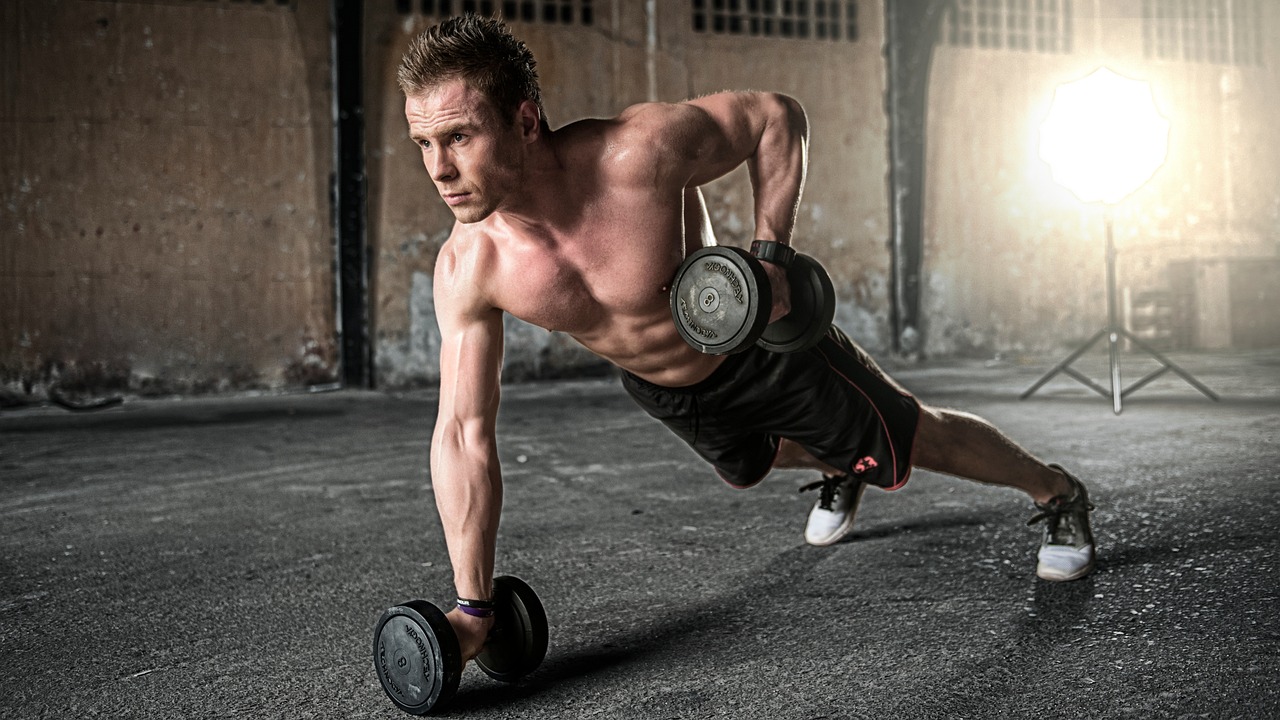
Bases press and hold a flyer overhead. Flyers lock their bodies tight in the air. Tumblers push off the floor and land from height. All of it takes strength. USA Cheer’s safety guidelines say every cheer squad should adopt a comprehensive conditioning and strength-building program. This guide covers why strength matters, what young athletes should know about training safely, and how to build a balanced program around the cheer season. For a no-equipment workout you can do at home, see our companion home conditioning workout.
Is Strength Training Safe for Young Cheerleaders?
Yes, when it’s done right. The American Academy of Pediatrics (AAP) and the National Strength and Conditioning Association (NSCA) both support resistance training for children and teens when it is properly designed and supervised. The AAP’s guidance for families says:
- Supervision matters. Significant injuries are rare in well-supervised programs, and the AAP’s list of risks comes from unsupervised training. The AAP describes a well-supervised program as having a coach-to-athlete ratio of 1:10 or lower with a properly certified instructor.
- Technique first. Practice every lift without weight until form is correct, then add weight slowly.
- Progress gradually. Increase weights by no more than 10% a week.
- No max lifts for growing athletes. No one-rep maximums, maximum weights or ballistic lifts before skeletal maturity.
- Stop if it hurts. Stop lifting right away if you feel pain.
The AAP also notes that strength training does not reduce flexibility, which is a common worry in cheer. Combined with a stretching program, athletes can improve both.
What Strength Does for Cheer
- Bases and backspots need leg strength to drive stunts up, shoulder and arm strength to press and hold overhead, a strong grip, and a stable core and back to stay upright under load. See our basing guide.
- Flyers need core strength to stay tight and easy to hold, single-leg strength and balance for body positions, and shoulder strength for arm positions and cradles. See our flyer guide.
- Tumblers need leg power to jump and punch, shoulder and wrist strength to block off the floor, and a strong core to hold body shapes.
- Everyone needs strong, controlled landings. The AAP’s guidance on ACL injuries says neuromuscular training, which combines strength, balance, jumping and landing technique, can reduce the risk of ACL injury in adolescent girls.
Build Around Movement Patterns
A balanced program covers each pattern below. Start with body weight or light resistance and move up only when form stays good.
- Squat: body-weight squats, goblet squats. Builds the leg drive for stunts and jumps.
- Hinge: glute bridges, hip thrusts, Romanian deadlifts with light weight. Builds the hips and back of the legs.
- Single-leg: split squats, step-ups, reverse lunges. Builds balance and evens out left-right differences.
- Push: push-ups (from an incline or the knees first), overhead press with light dumbbells. Builds pressing strength for stunts and blocking in tumbling.
- Pull: rows with dumbbells or bands, band pull-aparts. Balances all the pushing and supports shoulder health.
- Core: planks, side planks, hollow holds, dead bugs. Builds the tight body flyers and tumblers need.
- Carry and grip: farmer carries. Builds grip and trunk stability for bases.
- Landing and jumping: learning to land softly with knees tracking over toes, then low box jumps or squat jumps once landings are solid.
Sets, Reps and How Often
The AAP’s general guidance for young athletes is:
- 2 to 3 sessions a week, 20 to 30 minutes each
- 2 to 3 sets of 8 to 15 repetitions
- Work all major muscle groups, including the core, through a full range of motion
- A warm-up and cool-down of at least 10 minutes
- Stick with it for at least 8 weeks to see results
For adults, the American College of Sports Medicine’s position stand also recommends resistance training for each major muscle group on 2 to 3 days a week.
Fitting It Around the Season
Cheer is often year-round, so plan your strength work around your schedule:
- Off-season or summer: the best time to build strength, since practice load is usually lower.
- Pre-season and tryouts: shift toward power, landing work and endurance. Our tryout fitness self-test shows what some programs test.
- In season: keep shorter maintenance sessions, and avoid heavy leg work the day before competitions or big practices.
Talk to your coach before adding training on top of practice. Hard practices already include a lot of jumping, lifting and landing.
Get Qualified Help
If you can, train with a qualified strength coach, such as one certified by the NSCA or the ACSM, or with your school’s athletic trainer or strength staff. The AAP recommends a trainer whose certification program is nationally accredited, and names the NSCA, the American Council on Exercise and the ACSM as the best-known certifying organizations. If you have a past injury or ongoing pain, ask a doctor or physical therapist before starting.
For the rest of your training, see our guides to stretching, balance training, warming up and recovering from practice.
Sources: USA Cheer, 2026-27 College Cheer Rules (general program guidelines); American Academy of Pediatrics, Strength training (HealthyChildren.org), Resistance Training for Children and Adolescents (2020) and ACL injuries: diagnosis, treatment, and prevention (2014); NSCA, Youth resistance training position statement; American College of Sports Medicine, position stand on quantity and quality of exercise, 2011. Last checked October 1, 2026.


One thought on “Strength Training for Cheerleaders: A Safe, Position-Specific Guide”