

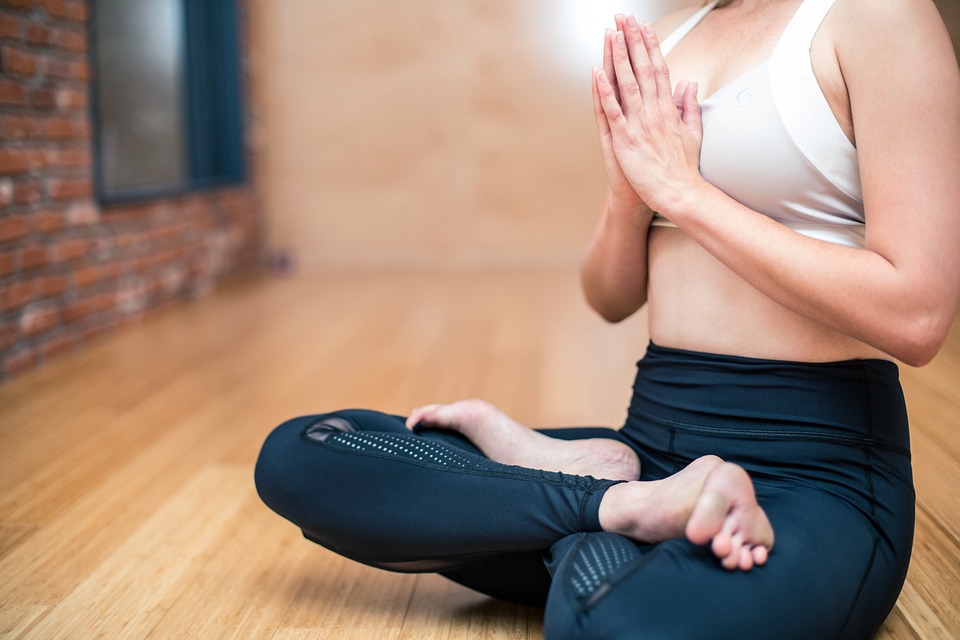
You don’t need a gym or a spring floor to get fitter for cheer. This is a home conditioning workout that needs little or no equipment: a 25-to-30-minute circuit for everyone, add-ons for flyers and for bases and backspots, a cardio finisher and a short flexibility cool-down. For the bigger picture on how to plan strength work across a season, see our strength training guide.
Home Rules First
- Home is for conditioning, not skills. USA Cheer’s safety guidelines say technical skills shouldn’t be done on concrete, asphalt, wet or uneven surfaces, and that skills that haven’t been mastered should be done only in supervised practice. Save tumbling and stunts for the gym with your coach.
- Clear the space. Make sure you have room to move without hitting furniture, and use a non-slip surface. Jumping exercises are easier on your joints on a mat or grass than on concrete. If you are thinking about a mat, see our home cheer mat guide.
- Warm up. The American Academy of Pediatrics (AAP) recommends a 10-to-15-minute warm-up before strength sessions. Our warm-up routine works at home too.
- Form before reps. The AAP’s advice for young athletes is to master technique before adding load, and to stop right away if something hurts.
- Don’t overdo it. If you already have hard practices, this workout should replace some other training, not stack on top of everything. Check with your coach.
Full-Body Circuit (Everyone)
Do each exercise, then move to the next. Rest 60 to 90 seconds after each round. Start with 2 rounds and build to 3 or 4 over a few weeks.
- Squats, 12 to 15: chest up, knees tracking over toes. Leg drive for stunts and jumps.
- Push-ups, 8 to 12: from your knees or hands on a bench if needed. Pressing strength for stunts and tumbling.
- Reverse lunges, 8 to 10 each leg: single-leg strength and balance.
- Glute bridges, 12 to 15: hips and the back of the legs.
- Plank, 20 to 40 seconds: straight line from head to heels.
- Hollow hold, 15 to 30 seconds: lower back pressed into the floor. This is the tight shape used in tumbling and flying.
- Side plank, 15 to 30 seconds each side.
- Squat jumps or tuck jumps, 6 to 8: land softly with knees bent and over your toes. Skip these if you can’t land quietly with control.
Flyer Add-On
Flyers need balance, a tight body, and strength on one leg. Add 2 rounds of:
- Single-leg balance, 30 seconds each leg: stand tall on one leg with arms in a high V. Make it harder by closing your eyes, but stand next to a wall.
- Liberty hold, 20 to 30 seconds each side: standing foot flat or up on your toes, other foot at the knee, arms in a high V.
- Single-leg calf raises, 10 to 12 each leg: hold a wall for balance.
- V-ups or tuck-ups, 8 to 12: core strength for body control.
Pair this with our balance training guide and scorpion flexibility guide.
Base and Backspot Add-On
Bases and backspots need leg endurance, overhead strength and grip. Add 2 rounds of:
- Wall sit, 30 to 45 seconds: holding a squat position, as in a stunt stance.
- Overhead press, 10 to 12: with light dumbbells, water bottles or resistance bands. Keep your ribs down and don’t arch your lower back.
- Bent-over rows, 10 to 12: with the same light weights or bands. Balances all the pressing.
- Farmer carry, 30 seconds: walk holding a heavy bag or jug in each hand. Grip and trunk stability.
Our basing at home guide has more base-specific drills.
Cardio Finisher
Routines are short but intense. Pick one, 2 or 3 times a week:
- Intervals: 30 seconds hard (mountain climbers, high knees, jumping jacks), 30 seconds easy, for 8 to 10 minutes.
- Jump rope: on a forgiving surface, in sets of 1 to 2 minutes with short breaks.
- Routine run-through: do your motions and dance at full energy, twice through with a short rest. Leave out the tumbling and stunts.
Flexibility Cool-Down
Finish with 5 to 10 minutes of stretching while you’re warm. Hold each about 30 seconds, and do two rounds:
- Right and left split or half split
- Straddle or middle split
- Kneeling lunge for the hip flexors
- Pike for the hamstrings
- Doorway chest stretch and overhead shoulder stretch
See our guides to stretching effectively and getting your splits.
A Sample Week
- 2 to 3 days: full-body circuit plus your position add-on, on days that aren’t your hardest practice days. The AAP suggests 2 to 3 strength sessions a week for young athletes.
- 2 days: cardio finisher and flexibility.
- At least 1 day: rest or light activity.
Track your numbers. Retest your max push-ups, plank time and wall sit every few weeks, or use our tryout fitness self-test. If you’re very sore, our guide to reducing soreness can help. If anything hurts in a joint, or pain doesn’t go away, stop and see a doctor or athletic trainer.
Sources: USA Cheer, 2026-27 College Cheer Rules (general program guidelines); American Academy of Pediatrics, Strength training (HealthyChildren.org) and Resistance Training for Children and Adolescents (2020). Last checked October 1, 2026.

2 thoughts on “Cheer Conditioning Workout at Home (No Gym Needed)”