

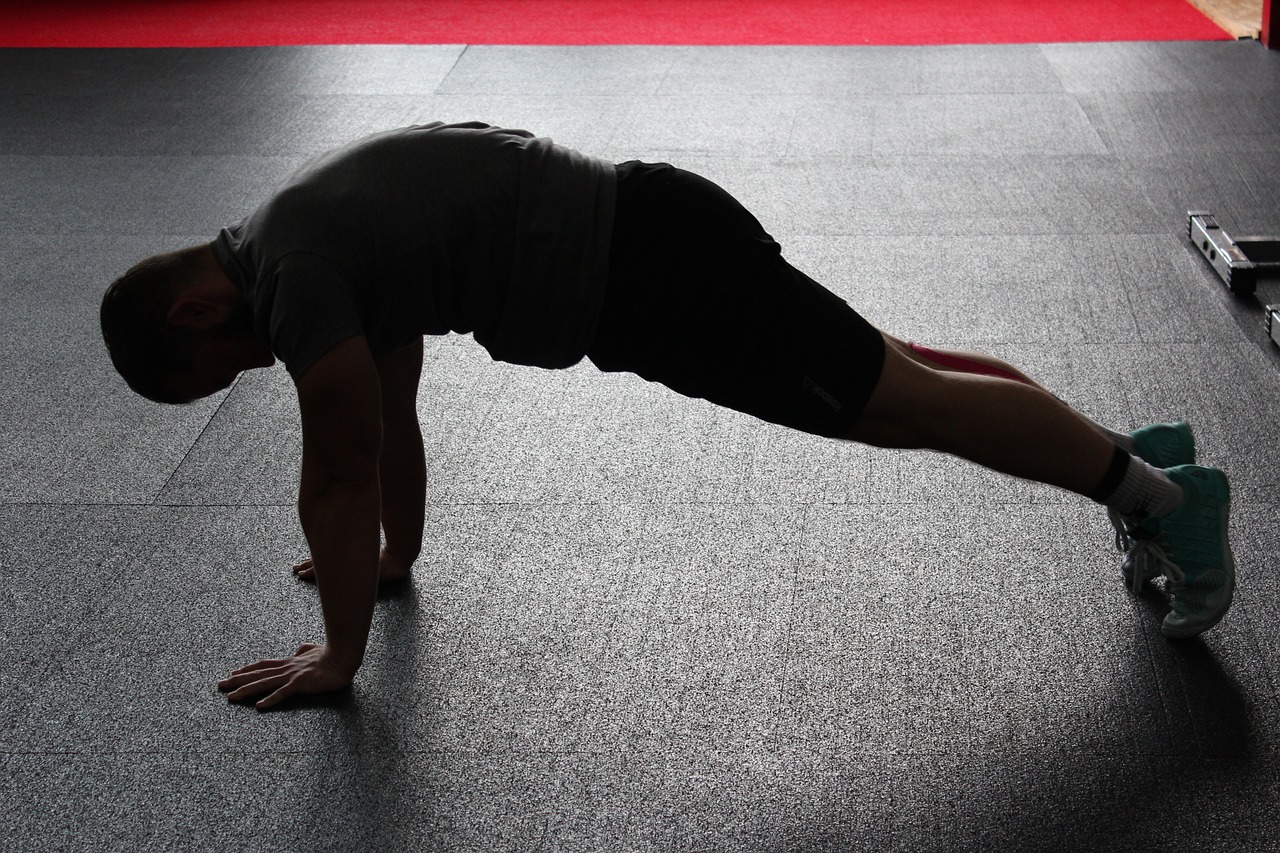
USA Cheer’s safety guidelines say an appropriate warm-up should come before all cheer activities. A good warm-up raises your body temperature, gets you breathing harder, and moves your joints through the ranges you’ll use in jumps, stunts and tumbling. Here is a simple 15-minute routine you can use before practice, plus a shorter version for games and competitions.
Why the Order Matters
The American Academy of Orthopaedic Surgeons (AAOS) explains that a warm-up gets your blood flowing, raises muscle temperature and increases your breathing rate, and that the simplest way to start is easy aerobic activity. AAOS also says to warm up before stretching, because stretching cold muscles can cause injury.
Research on stretching also shapes the order. A 2016 systematic review (Behm and colleagues) found that dynamic stretching right before activity gave small performance gains, while long static holds (60 seconds or more per muscle) right before activity caused small drops in performance. When dynamic activity followed the stretching, there was no clear effect. So this routine uses movement first, keeps any holds short, and ends with active, cheer-specific work.
The 15-Minute Practice Warm-Up
1. Raise your temperature (3 to 4 minutes)
- Easy jog around the mat
- Side shuffles and grapevines
- High knees and butt kicks
- Jumping jacks
You should feel warm and be breathing a bit harder, but not tired.
2. Dynamic mobility (4 to 5 minutes)
- Arm circles, small to large, forward and back
- Wrist circles and wrist rocks on hands and knees, for tumblers and bases
- Ankle circles
- Leg swings, front-to-back and side-to-side, holding a wall or partner
- Walking lunges with a reach overhead
- Walking kicks (straight-leg kicks to hand height)
- Inchworms into a short plank
- Cat-cow for the spine
If you want a few static stretches here, such as a short split or straddle, keep each hold brief and move on. Save long flexibility holds for after practice. Our stretching guide explains why.
3. Cheer-specific activation (3 to 4 minutes)
- Motion drills: high V, low V, T, daggers and punches. Hit them sharp and lock them.
- Jump prep: a few approaches with small jumps, then a few full jumps. See our guide to jump height.
- Squats and calf raises to wake up the legs for basing and landing.
- Plank or hollow hold for 20 to 30 seconds to switch on the core.
4. Skill ramp (2 to 3 minutes, with your coach)
Start with easier versions of what you’ll practice that day:
- Tumbling: handstands, cartwheels and round-offs before handsprings and tucks.
- Stunting: a few prep-level stunts or thigh stands before extended stunts, with your normal spotters.
- Jumps: single jumps before connected jumps.
Do the skill ramp only at practice, with your coach, on proper mats. USA Cheer says technical skills shouldn’t be done on concrete, asphalt, wet or uneven surfaces.
Short Version for Games and Competitions
Before a game or performance, you may have less time and space. Keep the same order in a shorter form:
- 2 to 3 minutes of light movement to get warm
- 2 to 3 minutes of dynamic mobility (arm circles, leg swings, lunges)
- Motions and a few jumps
- Stunts and tumbling only in the warm-up area and time your coach or the event allows, on the surface provided
If there’s a long wait between warm-up and performing, do a short re-warm with light movement and motions so you don’t go on cold.
Don’t Skip the Cool-Down
AAOS says an effective cool-down gives your body time to recover. Slow down gradually until your breathing returns to normal, then stretch while your muscles are still warm. This is the best time for longer holds on your splits and shoulders. See our splits guide and our tips on reducing soreness after practice.
Warm-Up Before Strength Training
The same idea applies before lifting or conditioning. The American Academy of Pediatrics’ strength-training guidance for young athletes recommends starting each session with a 10- to 15-minute warm-up. See our guides to strength training and home conditioning.
A warm-up is one part of staying healthy in cheer. Our guide to common cheerleading injuries covers the rest.
Sources: USA Cheer, 2026-27 College Cheer Rules (general program guidelines); AAOS OrthoInfo, Warm up, cool down and be flexible; Behm et al., Acute effects of muscle stretching on physical performance, range of motion, and injury incidence, 2016; American Academy of Pediatrics, Strength training (HealthyChildren.org). Last checked October 1, 2026.


2 thoughts on “Cheerleading Warm-Up Routine: A Simple 15-Minute Plan”