

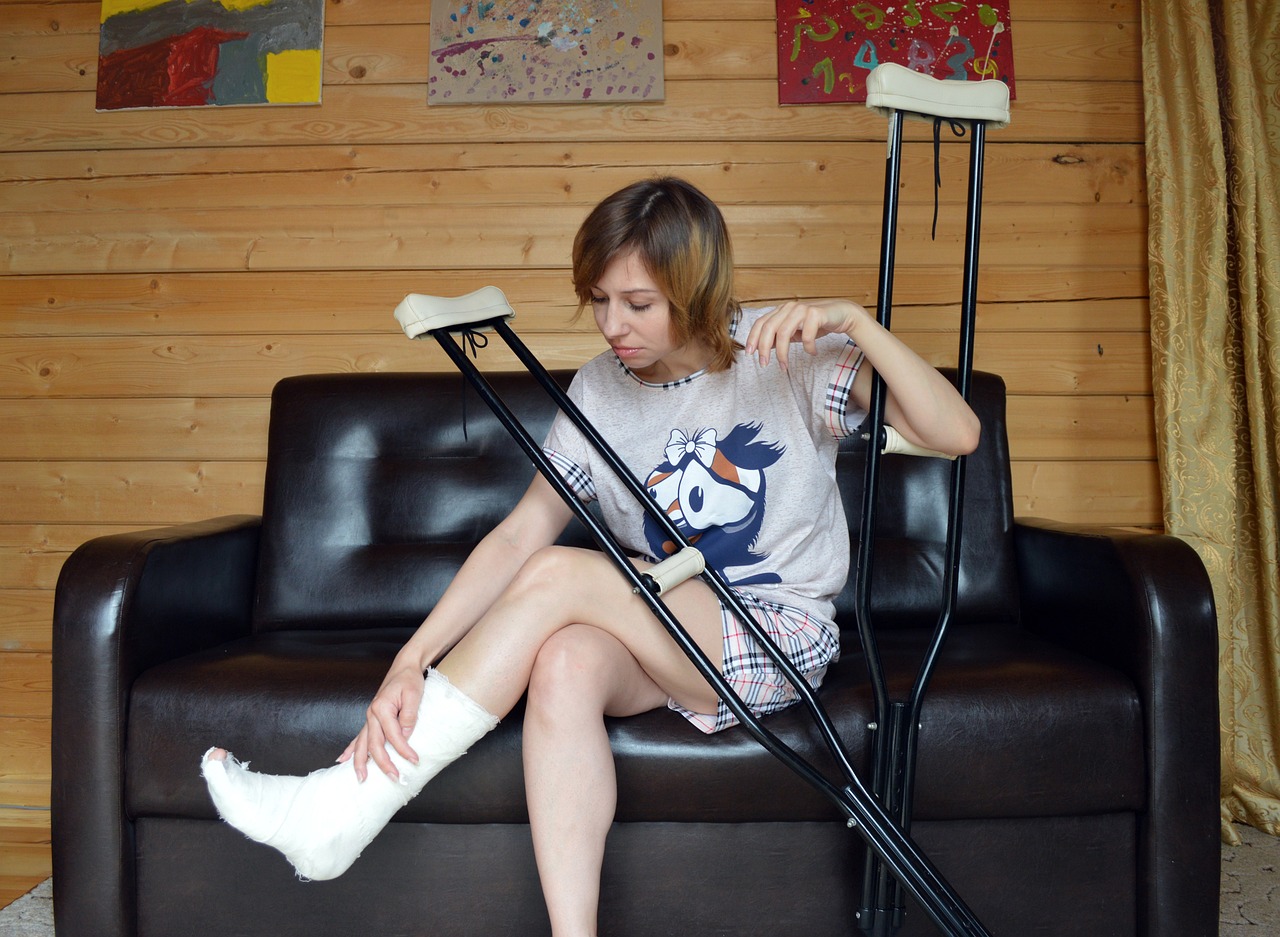
Cheer is a real sport, and it comes with real injury risk. The good news is that the overall injury rate in high school cheer is lower than in most other high school sports. The bad news is that when cheer injuries happen, they can be serious and take a long time to heal. This guide explains which injuries are most common, how they usually happen, and what athletes, coaches and parents can do to lower the risk.
This is general information, not medical advice. If you are hurt, see a doctor, athletic trainer or other qualified health professional. Don’t try to diagnose or treat an injury from an article.
What the Research Shows
A large study of U.S. high school sports (Currie and colleagues, Pediatrics, 2016) looked at five school years of injury reports:
- Cheer ranked 18th of 22 sports for overall injury rate.
- Concussion was the most common cheer injury, at 31.1% of injuries. Even so, the concussion rate in cheer was lower than in all other sports combined.
- More than half of injuries (53.2%) happened during stunts.
- Competition and practice had similar injury rates. Sideline performances had lower rates.
The American Academy of Pediatrics (AAP) adds that the ankles, wrists and knees are the most commonly injured joints, and that cheer athletes can get both sudden injuries (from hard landings, collisions and falls) and overuse injuries (from the same body parts being stressed again and again). The AAP’s earlier policy statement also noted that cheer accounted for about two-thirds of catastrophic injuries in high school girls’ sports over a 25-year period. That is why stunt rules, spotting and coach training matter so much.
Concussions and Head Injuries
How they happen: falls from stunts, hard landings on the floor, collisions with other athletes, or running into nearby equipment.
What to do: the CDC’s HEADS UP guidance is clear. If an athlete shows signs or symptoms of a concussion after a hit to the head or body, remove them from activity right away. Keep them out for the rest of that day, and don’t let them return until a health care provider clears them. The AAP says every athlete should report symptoms to a coach, athletic trainer or parent, even if it means stopping, and that concussed athletes should follow a gradual, supervised return to sport.
Lowering the risk: stunt only under a coach’s supervision, with trained spotters and proper mats, and follow the spotter rules for your level. Don’t attempt skills you haven’t mastered without your coach.
Ankle Sprains
How they happen: landing badly from a jump, tumbling pass or dismount, or rolling the ankle on an uneven surface. The American Academy of Orthopaedic Surgeons (AAOS) calls ankle sprains the number one reason for missed participation in athletics.
Why they matter: AAOS warns that a sprain that isn’t properly treated and rehabilitated can weaken the ankle and make another sprain more likely. Balance (proprioception) and strengthening exercises are part of standard rehab.
Lowering the risk: practice on proper mats or spring floors, never on concrete, wet or uneven surfaces. Wear cheer shoes that fit. Build ankle strength and balance as part of your balance training. If you have sprained an ankle before, finish your rehab before going back to full practice.
See a professional if: you can’t put weight on the foot, the pain is in the bones of the foot or ankle, or swelling and pain don’t improve. AAOS notes that a bad sprain and a fracture can look and feel similar.
Wrist Injuries
How they happen: AAOS says wrist sprains are most often caused by falling onto an outstretched hand. In cheer, that can mean a fall from a stunt or a missed tumbling skill. Handsprings and handstands also put repeated load on the wrists.
Why they matter: AAOS warns that a small wrist bone fracture (often the scaphoid) can be mistaken for a mild sprain. If a wrist injury doesn’t improve quickly, or the pain doesn’t go away, get it checked.
Lowering the risk: learn tumbling through proper progressions with a coach and spotting, and on proper surfaces. Learn safe falling techniques from your coach. Back off tumbling volume if your wrists are sore, and tell your coach.
Knee Injuries
How they happen: AAOS says ACL tears most often happen when someone pivots, cuts or lands from a jump on a straight leg, usually without direct contact. Female athletes tear their ACL at higher rates than males.
Lowering the risk: the AAP says neuromuscular training can reduce the risk of ACL injury in adolescent girls. That means programs that teach landing, jumping and cutting with good knee control, combined with strength and balance work. Practice soft landings with knees bent and tracking over your toes, not caving in. Our strength training guide covers the lower-body work that supports this.
Lower Back Pain
How it happens: AAOS explains that spondylolysis, a stress fracture in a vertebra of the lower back, is more likely in young athletes whose sports involve frequent overextension (arching) of the lower back. Back walkovers, back handsprings and flexibility positions like scorpions all involve arching.
Lowering the risk: build core strength, keep a sensible limit on how many back-bending skills you repeat in one session, and work on upper-back and hip flexibility so the lower back isn’t doing all the bending. See our scorpion flexibility guide for more on this.
See a professional if: lower back pain keeps coming back, gets worse with arching, or lasts more than a few days. AAOS lists lower back pain as the most common symptom of spondylolysis, and only a doctor can tell what is causing it.
Overuse Injuries
The AAP lists stress fractures, tendinitis and growth plate injuries as overuse injuries seen in cheer. They build up slowly when the same body part is stressed over and over. Year-round practice, camps and competition schedules make them more likely. Pain that keeps coming back in the same spot, especially pain that gets worse during practice, is a reason to see a doctor or athletic trainer, not to push through.
Safety Steps for Programs and Families
The AAP’s 2024 cheer safety recommendations and USA Cheer’s general program guidelines overlap on these points:
- Qualified coaching: coaches should be trained and certified in safety, especially spotting.
- Progressions: athletes should learn skills through accepted teaching progressions, and skills that haven’t been mastered should be done only in supervised practice.
- Safe surfaces: no technical skills on concrete, asphalt, wet or uneven surfaces.
- Spotters: use spotters whenever the rules require them and until skills are mastered.
- Warm-up and conditioning: USA Cheer says a warm-up should come before all cheer activity and that squads should have a conditioning and strength program. See our warm-up routine.
- Emergency action plan: the AAP recommends a written plan that coaches, athletes and families all know.
- Preparticipation physical: the AAP recommends a physical exam before starting cheer.
- Medical clearance: athletes with a concussion or other serious injury shouldn’t return until a medical professional clears them.
When to Get Help
Get seen by a doctor, athletic trainer or other qualified professional if you have:
- Any possible head injury or concussion symptoms.
- Pain that stops you putting weight on a leg or using an arm.
- A joint that looks deformed, feels unstable, or swells quickly.
- Pain in one specific spot on a bone.
- Pain that keeps coming back, gets worse, or doesn’t improve after a few days.
Normal training soreness is different. Our guide to reducing soreness after practice explains how to tell the two apart.
Sources: American Academy of Pediatrics, Cheerleading safety and Concussions in children and teens (HealthyChildren.org); AAP policy statements on cheerleading injuries (2012) and ACL injuries (2014); Currie et al., Cheerleading Injuries in United States High Schools, Pediatrics 2016; CDC, HEADS UP: how to respond to a concussion; AAOS OrthoInfo, Sprained ankle, Wrist sprains, ACL injuries and Spondylolysis and spondylolisthesis; USA Cheer, 2026-27 College Cheer Rules. Last checked October 1, 2026.


2 thoughts on “Common Cheerleading Injuries: Causes, Prevention and When to Get Help”